How One Imperfect Product Photo Revealed the Hidden Cost of Modern Branding for Small Businesses
A look at why the bottleneck for most small businesses isn't creativity, it's capacity.
There's a particular kind of exhaustion that only small business owners understand.
Not the dramatic kind. Not burnout in the Instagram sense.
The quieter version. The kind that accumulates slowly through dozens of invisible tasks no one talks about when they romanticize entrepreneurship.
Answering customer messages at midnight.
Reordering packaging.
Adjusting inventory counts.
Posting on Instagram because the algorithm "rewards consistency."
Trying to photograph products between deliveries and supplier calls.
And somewhere inside all of that, founders are also expected to build a brand that looks polished enough to compete with companies operating with entire creative departments.
That tension sits quietly inside the story of Constanta Best Gift.
A Calgary-based curated gift box company built around local artisans, thoughtful presentation, and carefully assembled products, the kind of business where the care is real long before the marketing is.
But like many small product-based brands, the challenge was never the quality of the product itself.
The challenge was everything surrounding it.
The Product Was Never the Problem
You've seen this photo a hundred times. Not this exact one, but this exact situation. A founder who makes something genuinely beautiful, grabs their phone, finds the best wall in the room, and tries to make it work. Because it has to. Because there's no one else.
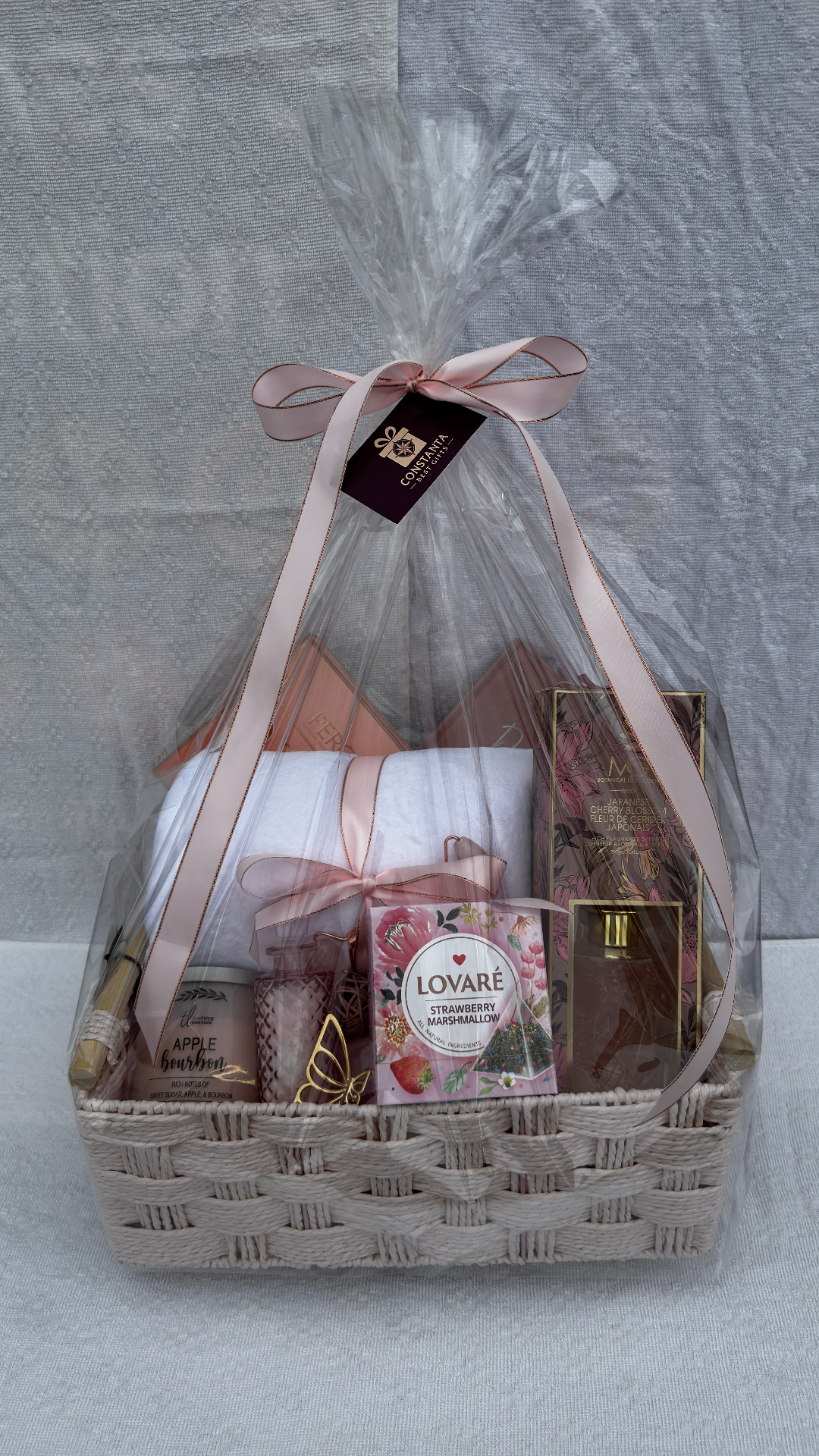
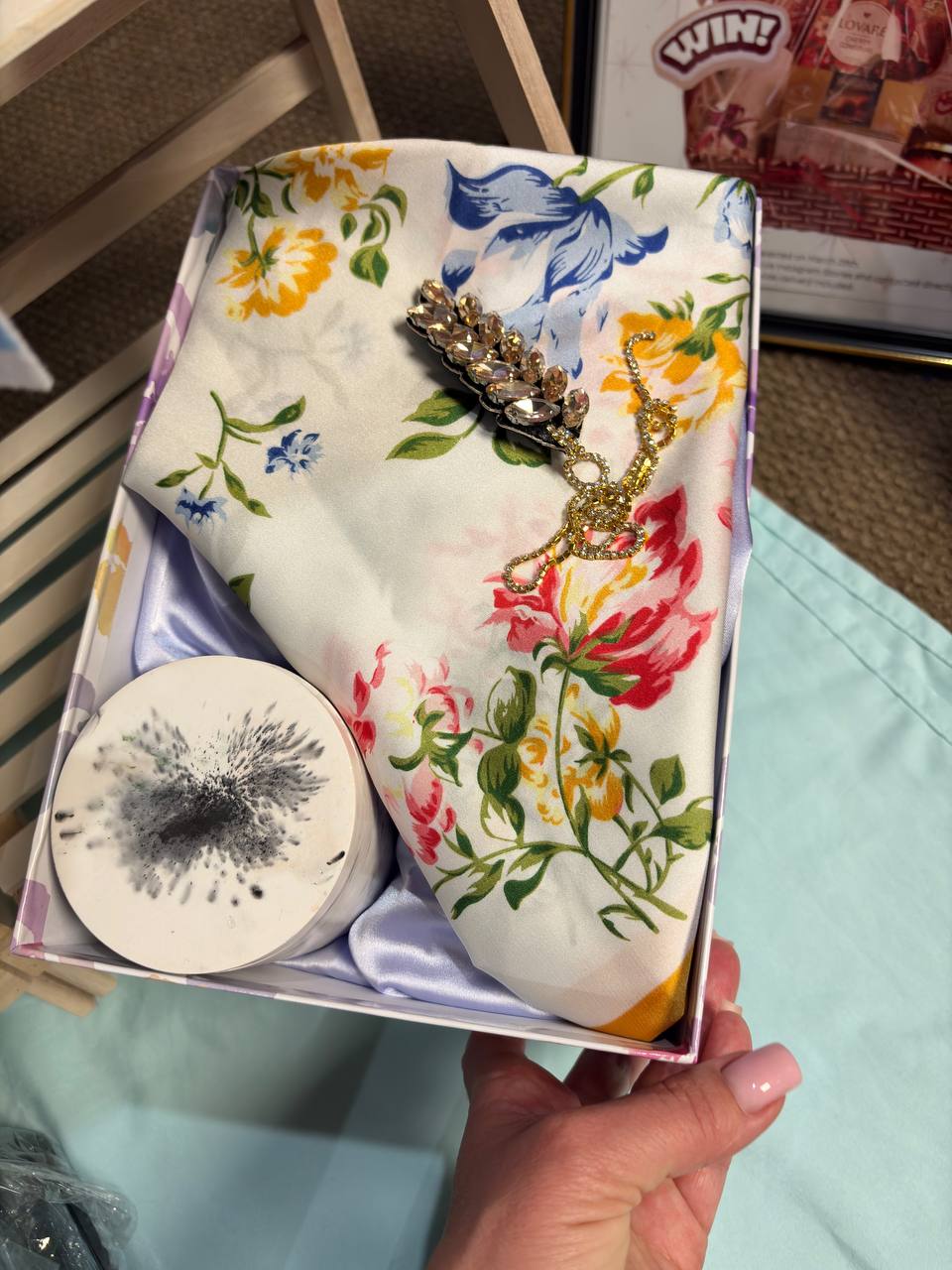
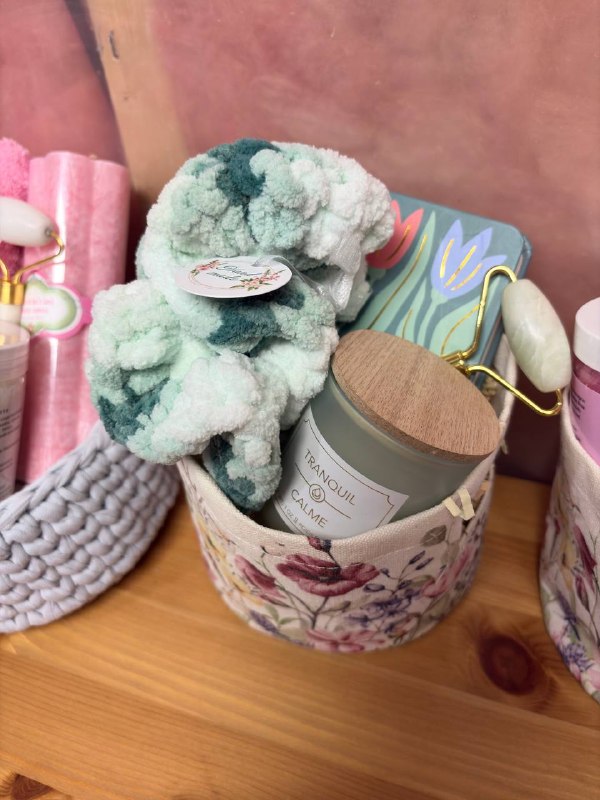
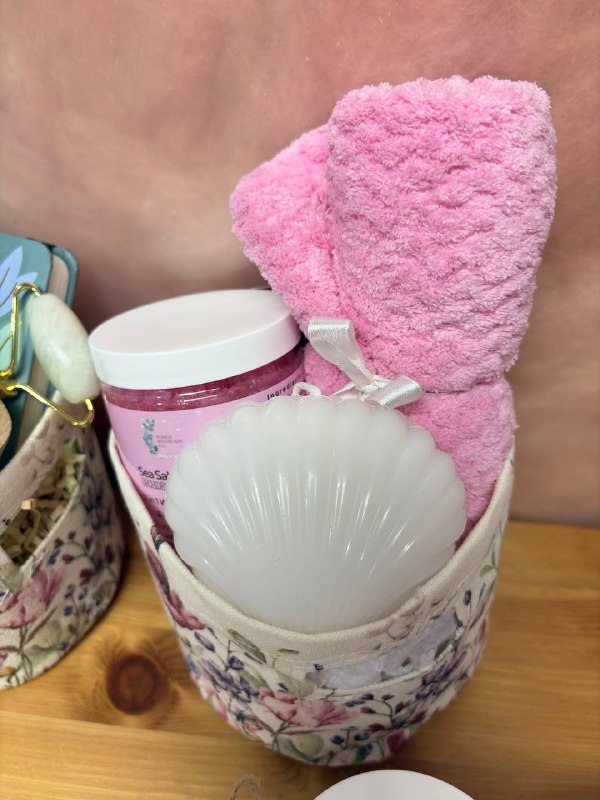
And here's the thing that nobody talks about: in the three seconds a customer spends deciding whether to click or keep scrolling, they're not reading your story. They're not weighing your values or your artisan relationships. They're just registering, does this look like something worth buying?
That gap between what the product is and what that photo communicates, that's not a creativity problem. That's a capacity problem.
Think about what it takes for a big brand to launch a product. There's a photographer. A studio. An art director. A social media team. An ad team. None of those people are doing each other's jobs. Each one does one thing, well, and hands it off.
For small businesses, they collapse onto one person.
Usually the founder.
The same person already handling customers, suppliers, fulfillment, bookkeeping, and production. The pressure becomes cumulative. Not because photography is inherently difficult.
But because modern branding demands endless visual output at a pace most small businesses were never designed to sustain.
We had none of that. What we have is ourselves, and a real gift for knowing which local Calgary artisans make something worth putting in a box together. That's the business. That's the thing nobody else can replicate. But instead of spending our time on that, we are also figuring out lighting. We are editing photos at midnight. We are trying to make a Facebook ad out of a picture that was never meant to be an ad.
We've watched founders do this and slowly burn out on the parts of their business that were never supposed to be their job.
The product gets better and better. The brand stays stuck. Not because they're not working hard enough, because they're working hard at the wrong things, out of necessity, with no way out.
The brands that struggle most aren't the ones with bad products. They're the ones with great products and no one to help them look like it.
How we fixed that
We started with the photo we already had. No reshoots. No studio. No hired photographer. Just that one image, taken on a wooden surface with a pink wall behind it, and we built her entire visual library from it.
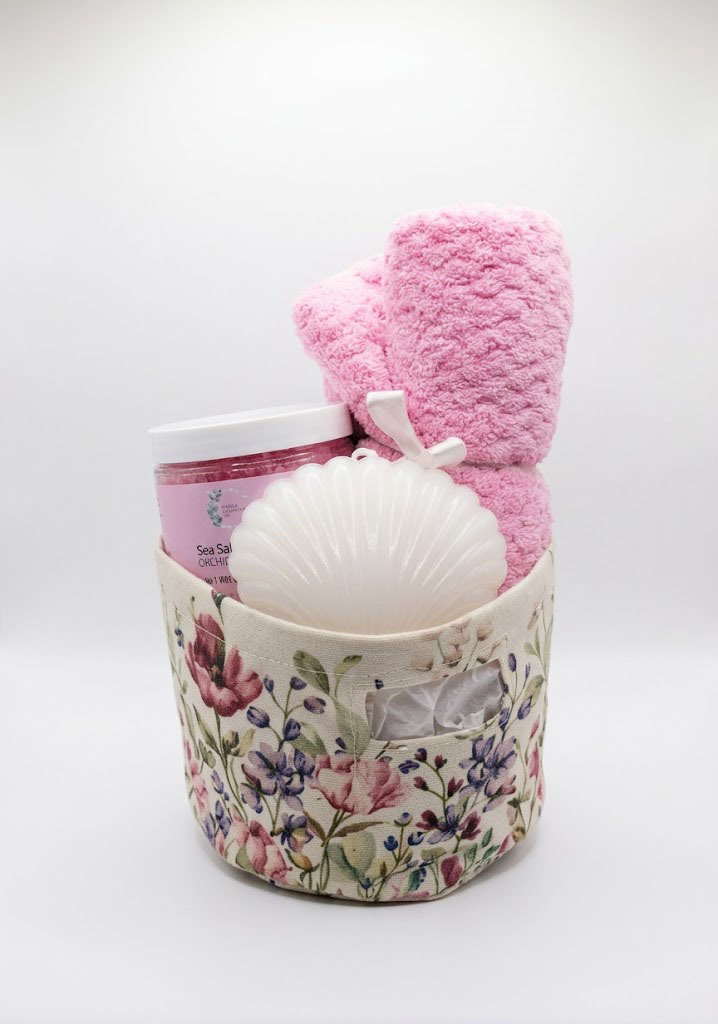
First, a proper product photograph. White background, clean light, the kind of image that belongs on a website and makes someone stop and think, okay, this is the real thing. Same basket. Same candle. Same ribbon. But now it looks exactly like what it is: a premium, thoughtfully made gift.
And the shift happens without the traditional infrastructure usually required to produce that volume of content.
No studio rental. No multi-person production day. No weeks of revisions. No expensive coordination overhead.
Just a small business product photographed once and transformed into an entire ecosystem of usable visual assets.
That changes the economics of branding for small companies.
But more importantly: it changes the emotional experience of running one.
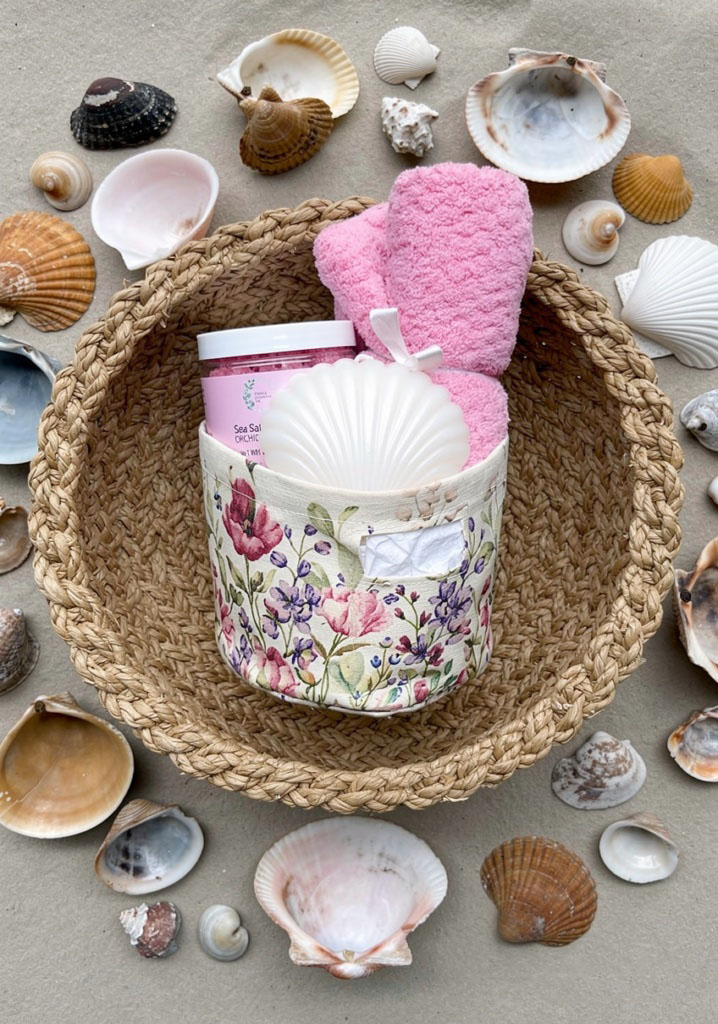
Then we put it somewhere it had never been. Picture this: the basket sitting in warm sand, the Atlantic stretching out behind it, afternoon light catching the shell candle just right. Beach lifestyle photography, for a Calgary gift company that never left the city. Not a gimmick. A feeling. The feeling her products are supposed to give someone. Escape. Care. A little luxury in a busy life.
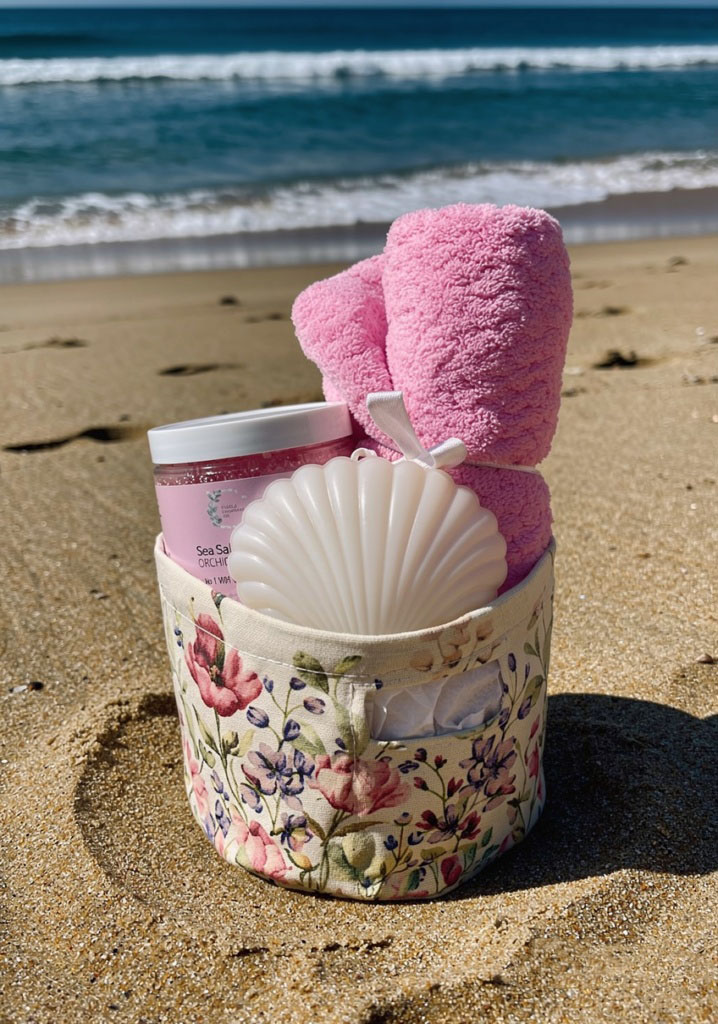
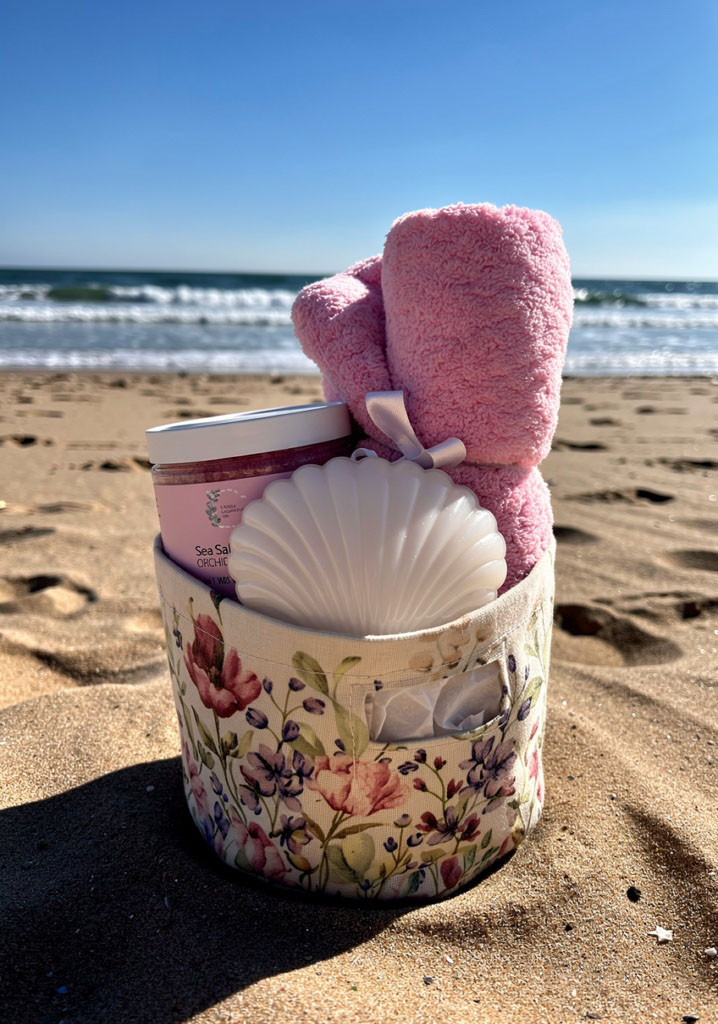
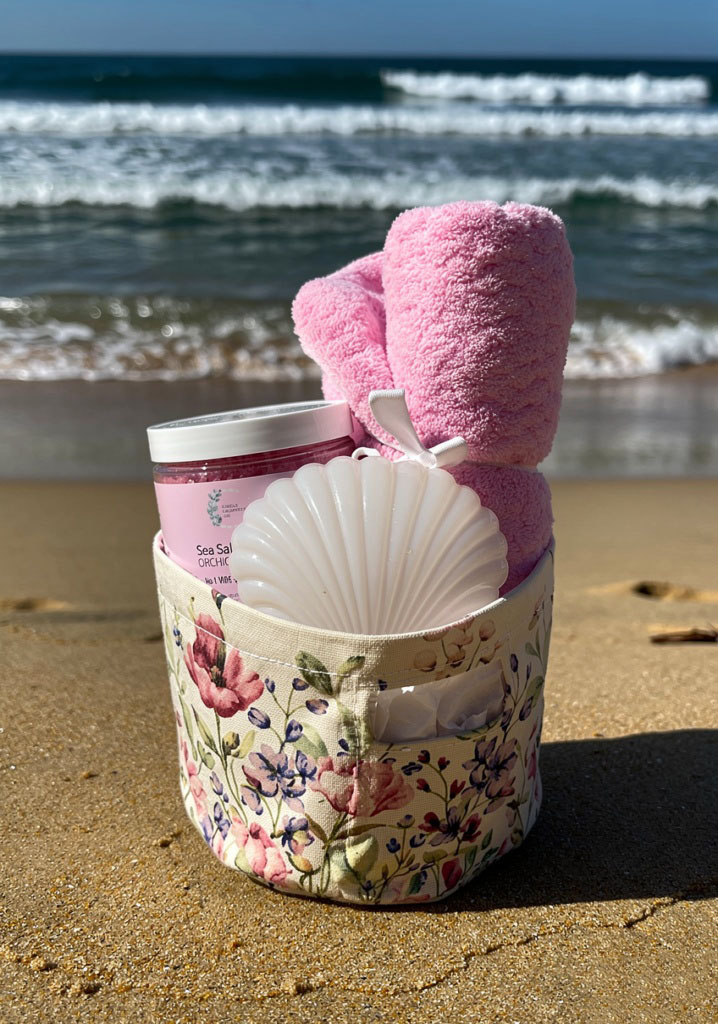
And then the ad. Four words: Curated by local artisans. White type, clean, confident, over the product. That's the story. That's always been the story, the relationships with Calgary makers, the instinct for what belongs together, the care in the assembly. We just never had a way to make it land visually. Now we do.
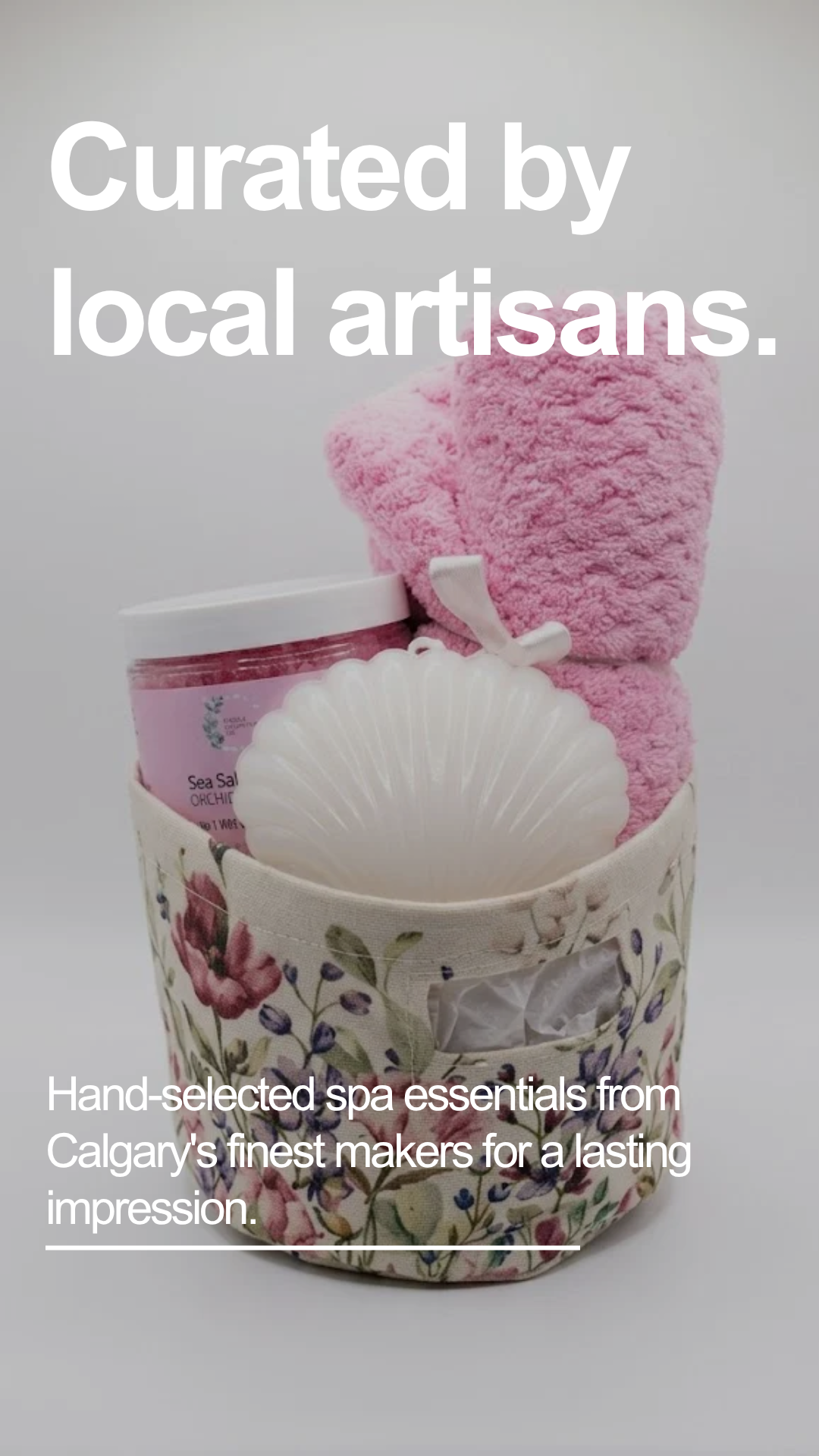
Our story is finally looking like our story.
You didn't need to become a better photographer. You needed to stop being one.
That's what this is really about. Not the beach photo. Not the white-background studio shot. The fact that we at Constanta Business Group can now spend our time doing what we are actually brilliant at, finding the right makers, assembling the right products, building something real in Calgary's artisan community, while the visual side finally keeps up.
What AI Actually Solved Here
The most interesting part of this case study is that AI did not solve creativity. The creativity already existed. You can see it in the original product itself:
the floral textile choices, the soft pink textures, the delicate arrangement, the emphasis on comfort and gifting.
The founders already understood aesthetics. What AI solved was operational friction. It reduced the distance between:
- having a good product
- and presenting it professionally.
That distinction matters. Because many small businesses are not lacking taste, quality, or vision.
They are lacking:
- time
- bandwidth
- production capacity
- creative support systems
The technology simply removed layers of logistical resistance that previously made polished branding inaccessible or exhausting.
And for overwhelmed founders, that difference is enormous.
You built something worth seeing. Let's make sure people can see it.
What This Transformation Really Represents
On the surface, this case study is about product imagery.
But underneath, it's about something much more human.
It's about removing invisible weight from people already carrying too much.
The transformation from a simple warehouse-style photo into polished campaign-ready assets symbolizes a larger shift happening quietly across small businesses:
Founders no longer need to become full-time content studios just to appear credible online.
They can remain focused on the thing they started the business to do in the first place.
For Constanta Best Gift, the products were always thoughtful. The craftsmanship was already there. The care already existed.
The bottleneck was never creativity.
It was capacity.
And increasingly, the businesses that thrive will not necessarily be the ones with the biggest teams or largest production budgets.
They will be the businesses that find ways to reduce operational exhaustion while preserving the human care at the center of the brand.
Because small businesses were never supposed to function like media companies.
You built something worth seeing. Let's make sure people can see it.
Let's take the visual weight off your plate and put your brand where it belongs.
Ready to Fix What's Slowing You Down?
Book a free 30-minute call. We'll diagnose the bottleneck and tell you straight whether a Sprint makes sense, no pitch, no pressure.
Average response time: 24 hours